
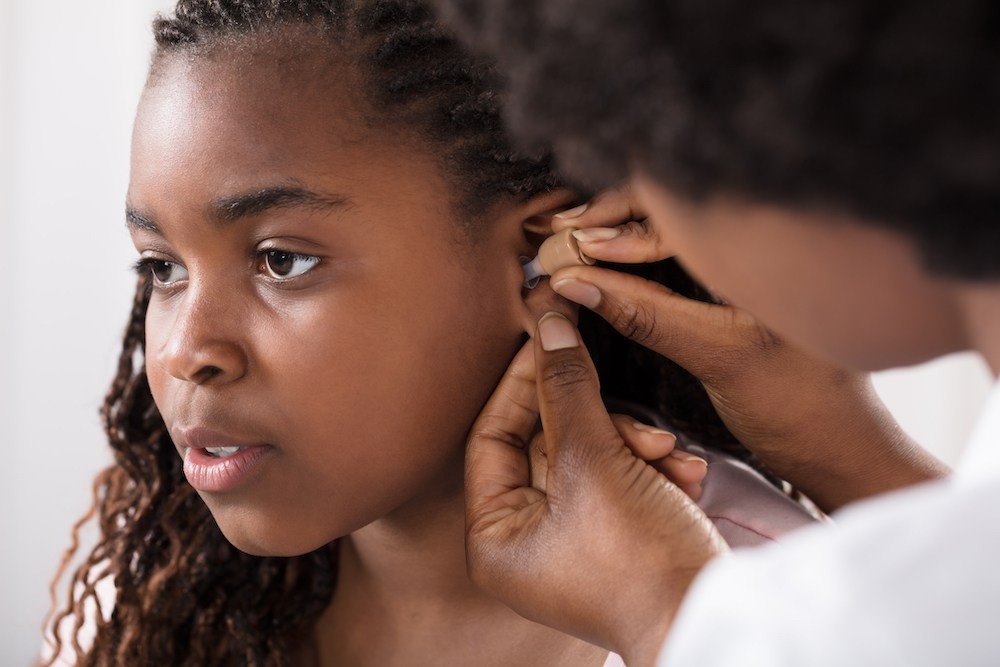
How Heat Affects Your Ear Health and Comfort
Nobody has to explain heat to anyone living in St. Pete. You park in
By: admin | October 20, 2025
Hearing aids have come a long way from the one-size-fits-all approach of the past, and the shift toward personalization is changing what’s possible for people who use them. Your hearing is as unique as your fingerprint, shaped by your individual biology, your daily activities, and the specific environments where you spend your time. What works perfectly for someone who attends quiet meetings all day might not suit someone who works in a busy restaurant or spends weekends at sporting events. Personalized hearing aids recognize these differences and adapt to match your particular needs rather than forcing you to adapt to a generic setting.
The trend toward greater personalization means you have more options than ever to find a solution that fits seamlessly into your life. Instead of simply amplifying all sounds equally, newer approaches consider how you hear different frequencies, what kinds of environments challenge you most and even how your hearing might change throughout the day. Exploring personalized options isn’t about chasing the latest technology for its own sake. It’s about recognizing that your hearing needs are specific to you and that having devices designed around those needs can make a real difference in your comfort and confidence.
Have you noticed that hearing aids seem to work better for some people than others? The key often lies in how well the settings are matched to each person’s daily life and listening needs. Personalized adjustments can greatly improve how clearly you hear in different environments.
When your hearing aids are set up specifically for you, understanding speech in busy restaurants or quiet rooms becomes easier. This reduces the effort needed to follow conversations and helps you pick up important details. Personalized settings also minimize background noise, allowing voices to come through more clearly during group events or family gatherings.
Personalized hearing solutions matter because each person’s hearing loss is unique. What works for one person may not be effective for another. Tailoring hearing aids to your specific needs helps you hear better in the situations that are most important to you.
When your hearing aids are adjusted to fit your lifestyle, you can feel at ease in both quiet and noisy settings. This can make conversations and daily activities less overwhelming. Personalized solutions also make it possible to update your hearing aids as your needs change, ensuring you continue to enjoy clear sound over time.
Hearing loss is unique to each person. Some people may have trouble hearing soft sounds, while others find it difficult to understand speech in noisy places. The type and degree of hearing loss can depend on factors like age, health, noise exposure or family history.
You may notice differences in how hearing loss affects your daily life compared to others. For example, you might have trouble hearing certain pitches, find it hard to follow conversations in groups or need the TV volume higher than those around you. These differences mean hearing aids need to be adjusted for your specific needs. Personalized settings help you get the most benefit from your device in the situations that matter most.
Technology is transforming hearing aids, making them smarter and more useful in everyday life. Many modern hearing aids now use artificial intelligence to adjust sound settings automatically based on your surroundings. Some devices connect to your smartphone, allowing you to control volume or switch programs with a simple tap.
Rechargeable batteries are also becoming more common, so you do not have to change small batteries as often. These advances make hearing aids easier to use and help them fit more smoothly into your routine.
Recent improvements in digital sound processing are making hearing aids more responsive to your needs. These systems quickly sort through sounds, helping you hear speech more clearly even in noisy environments. Many hearing aids now use advanced computer chips to adjust sound in real time.
Some of the latest features include improved background noise reduction, directional microphones that focus on voices in front of you and feedback cancellation to reduce whistling sounds. Certain devices can even learn your preferences over time and automatically adjust settings based on your environment. As technology continues to improve, digital sound processing will make hearing aids more comfortable and effective for everyday use.
Being able to adjust your hearing aid settings for different listening situations helps you hear more clearly, whether you are at home, in a busy restaurant or outdoors. Many modern hearing aids come with special programs or modes designed for different environments. With just a few quick changes, you can switch from a quiet setting to one that handles background noise better.
Some devices let you make these changes using a smartphone app or a simple button on the hearing aid. This flexibility makes conversations easier and helps you feel more comfortable in many places.
Many hearing aids now work with smartphone apps, giving you greater control over your listening experience. These apps allow you to adjust volume, change programs and check battery levels right from your phone.
Using a smartphone app makes it easier to fine-tune your hearing aids in real time, whether you are at home or out in public. Some apps also help you locate lost hearing aids or schedule maintenance reminders. Having these options available means you can quickly respond to changes in your environment and keep your devices working well.
Real time feedback in hearing aids works by continuously monitoring the sounds around you and how the device is performing. If the environment changes, for example moving from a quiet office to a noisy restaurant, the hearing aids detect the difference and adjust settings immediately to maintain balanced sound. This helps reduce sudden loud noises or overly quiet areas, keeping your listening experience steady without any manual intervention.
With automatic adjustments, you can focus on conversations, work or other daily activities without pausing to change volume or program settings. The hearing aids respond instantly to your surroundings, making transitions between different environments smoother and more comfortable. This ongoing responsiveness helps ensure that your hearing remains consistent and natural throughout the day, whether you are indoors, outside or in mixed noise settings.
Artificial intelligence is now used in many hearing aids to improve your daily listening experience. These smart systems can learn your listening habits and automatically adjust settings for different places and situations.
With AI, you may notice automatic adjustments based on your environment, better background noise control and learning of your volume preferences over time. Switching between different listening programs also becomes easier. This technology helps hearing aids respond to your needs throughout the day.
Remote fine tuning and virtual support services allow you to get help with your hearing aids without visiting a clinic in person. Many modern hearing aids now support adjustments and troubleshooting through secure online connections.
With these services, you can fine tune your hearing aid settings from home using your smartphone or computer. Support for questions or problems is often available through video calls or chat, and you can receive step-by-step guidance for making changes or updates to your device. This reduces the need for in-person visits and provides access to help even if you are traveling or unable to get to the clinic. Remote support makes it easier to get the changes you need right when you notice an issue, fitting better into your daily life.
Many hearing aids now connect with smart devices in your home, like TVs, smartphones and doorbells. This makes it easier to hear important sounds and enjoy entertainment without extra wires or complicated setups.
With wireless connections, you can stream phone calls, music or TV audio directly to your hearing aids. Some systems also send alerts from smart doorbells or alarms right to your ears. These features help you stay connected and make daily life more convenient.
Protecting your information is an important part of using personalized hearing aids and related technology. Many modern devices store settings, usage data and sometimes connect to your smartphone or other smart devices. With more personal data being used to improve your hearing experience, strong security measures are needed to protect your privacy. Manufacturers use encryption and secure connections to keep your information safe while you enjoy the benefits of advanced hearing aid features.
Talking to your audiologist about the right technology is an important step in finding hearing aids that fit your needs and lifestyle. The conversation usually begins with deciding what technology level is most appropriate for you. Audiologists consider your hearing test results, the environments you spend the most time in and how much support you want for things like background noise or streaming audio. This helps ensure the devices you choose match both your hearing needs and daily activities.
Once the technology level is determined, your audiologist will guide you through personalization options. Modern hearing aids can be fine-tuned to your specific hearing profile, which affects how you hear different frequencies, voices and sounds in various settings. Discussing your personal preferences and listening challenges allows your audiologist to tailor the programming so that the devices work in a way that feels natural and comfortable.
The conversation also includes practical considerations, like how easy the devices are to use, whether you prefer rechargeable or battery-powered models, and any features that make daily life simpler. Your audiologist can explain how each option impacts your listening experience and help you make informed decisions.
Taking a proactive approach to your hearing care makes it easier to find solutions that truly fit your needs. Working with an audiologist allows you to explore technology and personalization options that match your daily routines and listening environments. This process gives you the opportunity to focus on what matters most for your hearing without feeling overwhelmed by choices or settings.
If you want to learn more about personalized hearing aids or discuss which options are right for you, Hear Here Audiology in St Petersburg, FL at (727) 289-1212 is available to help. Our team can guide you through the selection and personalization process, answer your questions and ensure your hearing devices are tailored to your unique needs so that listening remains clear and comfortable in every setting.
Tags: benefits of hearing aids, hearing aid repair, hearing aid styles
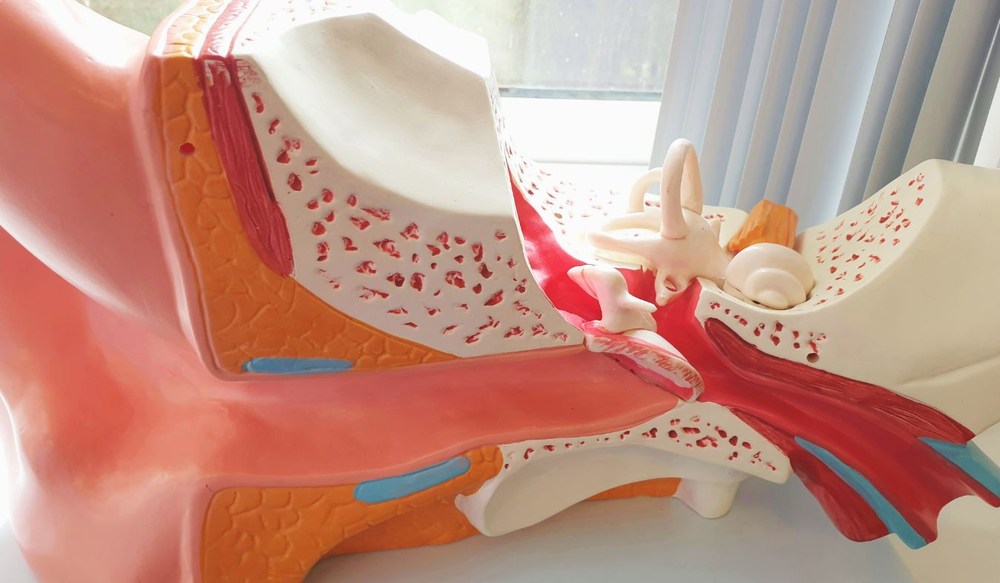
Nobody has to explain heat to anyone living in St. Pete. You park in
By: admin | August 24, 2026
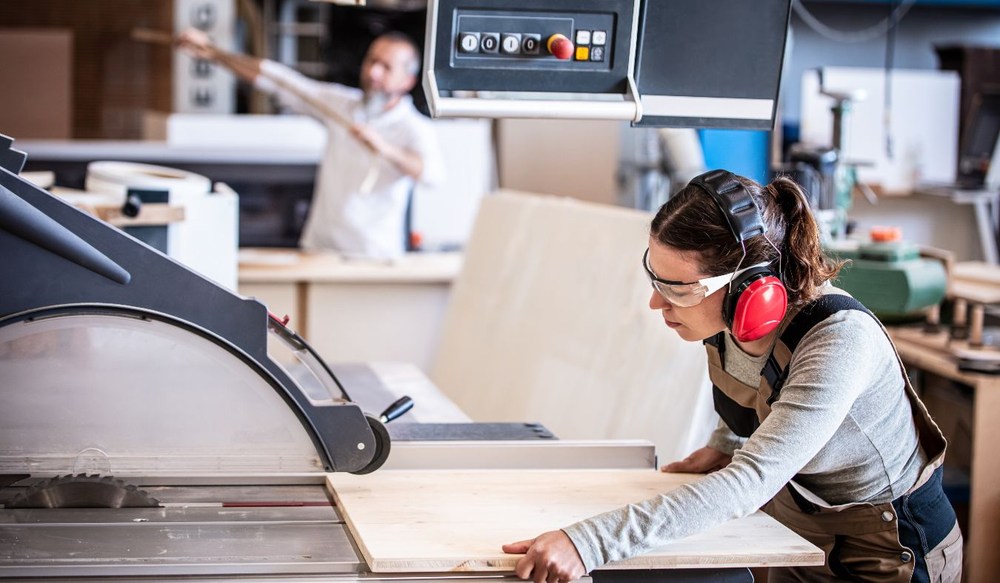
St. Petersburg knows how to put on an event. Between the waterfront
By: admin | May 18, 2026
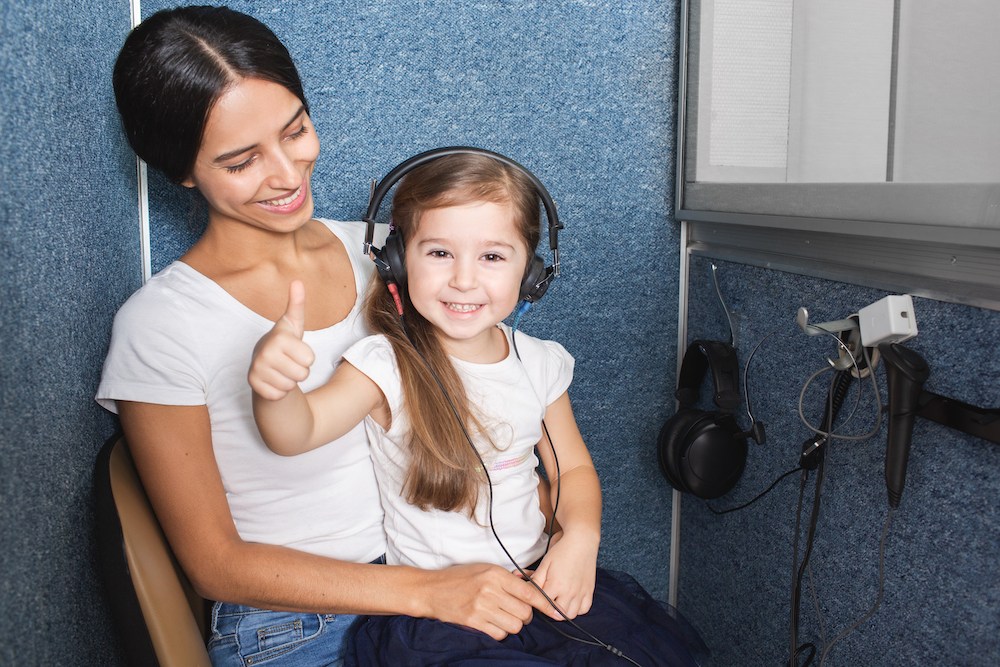
After a hearing test, you are usually given a chart that shows your
By: admin | March 25, 2026